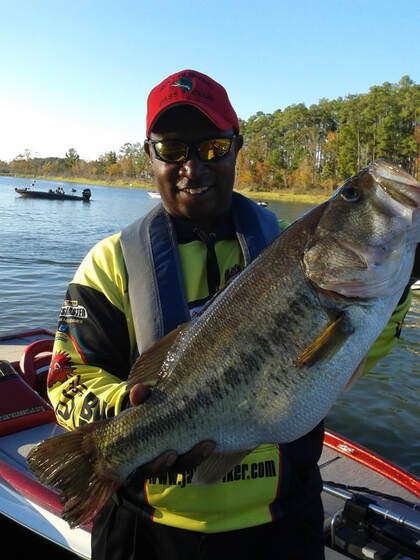
If you're new to bass fishing or finding it difficult to catch fish consistently, you're not alone. Bass fishing can feel overwhelming at first—there are so many lures, techniques, and opinions that it’s easy to overthink everything. The truth is, success in bass fishing doesn’t come from knowing everything—it comes from understanding a few key fundamentals and applying them consistently.
As a professional bass angler, I’ve learned that the anglers who catch fish regularly aren’t always the ones with the most gear—they’re the ones who understand fish behavior, stay patient, and keep things simple. If you focus on the basics, you can start catching more bass immediately.
Understanding Where Bass Live
One of the biggest mistakes beginners make is fishing in areas where bass simply aren’t present. Bass don’t just swim randomly throughout the lake—they position themselves around specific types of structure and cover that give them an advantage when feeding.
You should start by looking for areas like submerged logs, rock piles, docks, grass beds, and shaded areas. These spots provide bass with protection and ambush points where they can strike prey efficiently. Drop-offs and ledges are also key areas because bass will often sit at different depths depending on water temperature and conditions.
If you take away one thing from this section, it’s this: find the right location first, and your chances of catching fish increase dramatically.
Choosing the Right Lures (Without Overcomplicating It)
Walking into a tackle shop can be overwhelming. There are hundreds of lures, colors, and styles. However, as a beginner, you don’t need all of that. Start with a few proven options: soft plastics like worms and craws, spinnerbaits for covering water, crankbaits for reaction strikes, and topwater lures like frogs or poppers for exciting surface action. The key is not to chase every new lure on the market. Instead, build confidence in a few techniques and learn how to use them well. Confidence catches more fish than a full tackle box.
Timing Matters More Than You Think
Bass are heavily influenced by light and weather conditions. Early mornings and late evenings are typically the most productive because bass are more active and feeding during low-light conditions. Cloudy days can also extend feeding windows. Midday fishing can still be productive, but it often requires more precision. Until you gain more experience, focus on the times when bass are naturally more active.
Slow Down and Let the Fish Bite
One of the most common mistakes new anglers make is fishing too fast. Bass often need time to react to bait. When you slow down your presentation, you give them a better opportunity to notice, approach, and strike. This is especially true when using soft plastics or fishing in cooler water. If you’re not getting bites, try slowing down your retrieve before changing lures.
Pay Attention to Conditions
Water temperature, clarity, and weather patterns all play a role in how bass behave. In clear water, use natural colors and subtle presentations. In muddy water, use baits that create vibration and noise. Weather changes, especially cold fronts, can slow down fish activity. Learning to adjust is key.
Stay Consistent and Trust the Process
Bass fishing is a journey. Even professional anglers have tough days when the fish don’t cooperate. The more time you spend on the water, the more patterns you’ll recognize and the more confident you’ll become.
Final Thoughts
If you focus on the fundamentals and finding the right areas, using simple proven lures, fishing at the right times, and slowing down your presentation, you will start catching more bass.
Enjoy the process and continue learning.
Be sure to check out more bass fishing tips, tournament updates, and coaching opportunities right here on jaystriker.com. or Instagram at jay.striker.52