Striker Nation Outdoors

Fishing Articles

Tournament lessons, bass fishing techniques, and the business of fishing.

 
​Learn how to get fishing sponsors, build your brand, and secure sponsorship deals with proven strategies from professional bass angler Jay "Striker" Barnett.
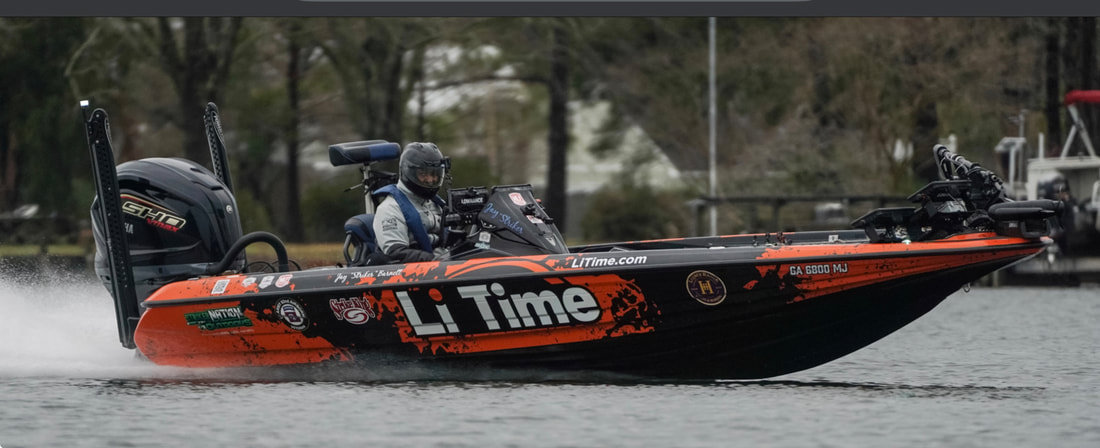
Picture

If you’ve ever dreamed of getting fishing sponsors and turning your passion into something bigger, you’re not alone. Many anglers believe sponsorships are only for the top pros—but the truth is, brands are always looking for anglers who can represent them well and bring value beyond just catching fish.
As a professional bass angler, I’ve learned that sponsorships are not about how many fish you catch—they’re about how well you can promote, communicate, and build relationships. If you understand that, you’re already ahead of most anglers.
​
Step 1: Understand What Sponsors Actually Want

One of the biggest misconceptions in fishing is that companies sponsor anglers simply because they win tournaments. While performance matters, it’s only part of the equation. Sponsors are looking for anglers who can represent their brand professionally, promote products through content, connect with audiences, and ultimately help grow their business. Think of yourself as a marketing partner, not just an angler asking for free gear. When you shift your mindset this way, everything changes.

Step 2: Build Your Personal Brand

Before reaching out to any company, you need to build a presence that shows who you are and what you stand for. Your brand should clearly communicate what makes you different, who you influence, and what value you bring to the table.
This includes your social media, your website, and how you present yourself at events. Consistency is key, your message, tone, and image should align across everything you do.

Step 3: Create Content That Adds Value

Sponsors are not just looking for anglers, they’re looking for content creators. Start creating fishing tips, tournament updates, product usage videos, and behind-the-scenes content that gives value to your audience.
You don’t need thousands of followers, you need engagement and consistency. A smaller, engaged audience is often more valuable than a large, inactive one.

Step 4: Build Relationships First

One of the biggest mistakes anglers make is immediately asking for sponsorships without building relationships. Instead, follow companies, engage with their content, attend events, and support their products.  When you reach out, you should not be a stranger, you should be someone they already recognize and respect.

Step 5: Create a Fishing Resume or Media Kit

If you’re serious about getting sponsors, you need to present yourself professionally. Your fishing resume should include your background, tournament experience, social media stats, and what you can offer the company. This shows that you’re treating this like a business, not just a hobby.

Step 6: Make the Right Ask

When you finally reach out, don’t just ask for sponsorship. Instead, position yourself as someone who can provide value, help grow their brand, and represent them professionally.  This approach shifts the conversation and increases your chances of success.

Step 7: Deliver and Grow the Relationship

Getting a sponsor is just the beginning. Keeping and growing that relationship is what matters most. Deliver on your commitments, communicate regularly, and go above expectations.  Sponsors invest in people they trust and who consistently bring value.

Final Thoughts

Getting fishing sponsors is not about luck—it’s about strategy, consistency, and professionalism. If you focus on building your brand, creating value, and developing relationships, opportunities will start to open up. Every professional angler started somewhere. Treat your passion like a business, and you’ll separate yourself from the crowd.
For more insights on bass fishing, sponsorships, and coaching, explore more content right here on JayStriker.com and follow me on Instagram at jay.striker.52
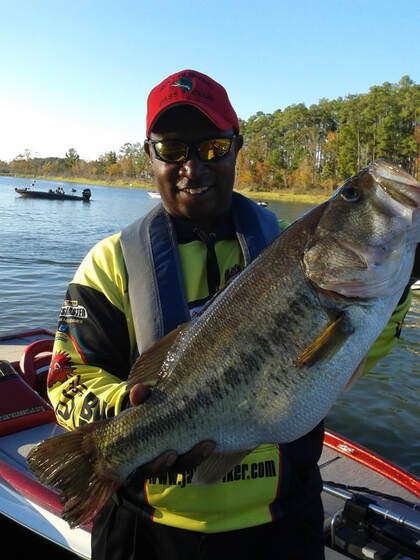
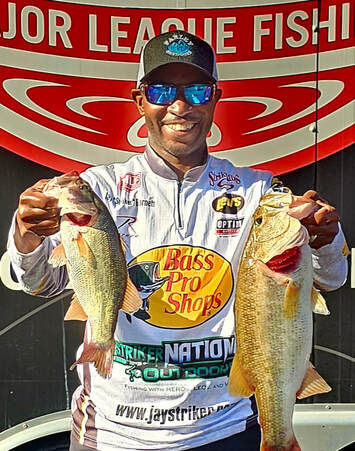
 
Picture
       If you're new to bass fishing or finding it difficult to catch fish consistently, you're not alone. Bass fishing can feel overwhelming at first—there are so many lures, techniques, and opinions that it’s easy to overthink everything. The truth is, success in bass fishing doesn’t come from knowing everything—it comes from understanding a few key fundamentals and applying them consistently.

As a professional bass angler, I’ve learned that the anglers who catch fish regularly aren’t always the ones with the most gear—they’re the ones who understand fish behavior, stay patient, and keep things simple. If you focus on the basics, you can start catching more bass immediately.

Understanding Where Bass Live

One of the biggest mistakes beginners make is fishing in areas where bass simply aren’t present. Bass don’t just swim randomly throughout the lake—they position themselves around specific types of structure and cover that give them an advantage when feeding.

You should start by looking for areas like submerged logs, rock piles, docks, grass beds, and shaded areas. These spots provide bass with protection and ambush points where they can strike prey efficiently. Drop-offs and ledges are also key areas because bass will often sit at different depths depending on water temperature and conditions.

If you take away one thing from this section, it’s this: find the right location first, and your chances of catching fish increase dramatically.

Choosing the Right Lures (Without Overcomplicating It)

Walking into a tackle shop can be overwhelming. There are hundreds of lures, colors, and styles. However, as a beginner, you don’t need all of that.  Start with a few proven options: soft plastics like worms and craws, spinnerbaits for covering water, crankbaits for reaction strikes, and topwater lures like frogs or poppers for exciting surface action. The key is not to chase every new lure on the market. Instead, build confidence in a few techniques and learn how to use them well. Confidence catches more fish than a full tackle box.

Timing Matters More Than You Think

Bass are heavily influenced by light and weather conditions. Early mornings and late evenings are typically the most productive because bass are more active and feeding during low-light conditions. Cloudy days can also extend feeding windows. Midday fishing can still be productive, but it often requires more precision. Until you gain more experience, focus on the times when bass are naturally more active.

Slow Down and Let the Fish Bite

One of the most common mistakes new anglers make is fishing too fast. Bass often need time to react to bait. When you slow down your presentation, you give them a better opportunity to notice, approach, and strike. This is especially true when using soft plastics or fishing in cooler water. If you’re not getting bites, try slowing down your retrieve before changing lures.

Pay Attention to Conditions

Water temperature, clarity, and weather patterns all play a role in how bass behave. In clear water, use natural colors and subtle presentations. In muddy water, use baits that create vibration and noise. Weather changes, especially cold fronts, can slow down fish activity. Learning to adjust is key.

Stay Consistent and Trust the Process

Bass fishing is a journey. Even professional anglers have tough days when the fish don’t cooperate. The more time you spend on the water, the more patterns you’ll recognize and the more confident you’ll become.

Final Thoughts

If you focus on the fundamentals and finding the right areas, using simple proven lures, fishing at the right times, and slowing down your presentation, you will start catching more bass.

Enjoy the process and continue learning.

Be sure to check out more bass fishing tips, tournament updates, and coaching opportunities right here on jaystriker.com. or Instagram at jay.striker.52


Picture
​​                                                                                                                                                   Becoming a professional bass angler does not happen quickly, and it does not happen by accident. It is a road very few people choose to walk all the way down. There’s excitement in the dream, sure—but the reality is built on long days, long drives, uncertainty, and a belief that the work you are doing now will matter later. A lot of people love the idea of fishing professionally. Fewer are willing to commit to what it actually takes to get there.
Dreams are important but dreams alone are not enough. What carries you through this journey is faith, character, and the relationships you build along the way. And more than anything else time. Real time. Years of it. Every professional angler has a story. No two paths look the same. Some anglers find support early. Others spend years figuring it out on their own. My journey has been different, and it has taken me more than twelve years of grinding—through highs, lows, missed opportunities, family engagement sacrifices, and seasons where walking away would have made sense. What I have learned is that while people may debate how to make it, the foundation that sustains a career at this level is always the same, and for my path that has been faith, character, and relationships.

The Road Is Not the Dream

There is a big difference between dreaming about being a professional angler and understanding what the road looks like. This sport does not reward impatience. It does not care about instant results. And it definitely doesn’t offer any shortcuts.
Early on, there is nothing glamorous about it. It is long nights getting ready, long drives to and from tournaments, paying your own way, and learning lessons the hard way. Success does not always show up as trophies or recognition. Oftentimes it shows up quietly—in experiences gained, confidence built, and the ability to keep going when no one is around to see it. “If you want this badly enough, you have to respect the process as much as the outcome.”
 
What Actually Matters: Relationships, Character, and Faith

After more than a decade of doing this, three things continue to stand out: relationships, character, and faith.
Relationships: Bass fishing may look like an individual sport, but no one succeeds alone. Relationships open doors long before contracts are signed or logos are added. How you treat people matters.

Character: Character shows itself long before success ever does. It is revealed in how you handle disappointment, setbacks, and pressure. This is an area where the pressure of this sport can really have you makes some self-evaluations.

Faith: Faith is believing when there is no visible proof yet. It is trusting the work you are putting in even when results have not caught up.

Sponsorships Versus Real Partnerships

One mistake I see often is people chasing sponsorships before they understand what real partnership means. Logos are easy to ask for. Trust takes time. This is where my relationship with LiTime has mattered. At the professional level, reliability is not optional, it is a necessity. Knowing I can depend on my equipment allows me to focus on competing. Just as important is relationship reliability. LiTime has been consistent, supportive, and invested in the long term. That matters. That matters a lot!

Twelve Years of Showing Up

Twelve years is a long time to stay committed without guarantees. There were seasons filled with uncertainty and financial pressure, but growth was happening beneath the surface. Grinding does not mean struggling forever, it means refusing to quit too early. Please do not take this the wrong way, I still to this day grind, put in the work without guarantee, staying committed to achieving my dreams. Never give up, keep showing up.

A Word to the Next Generation

For those coming up behind me, understand this: there is no replacement for time and commitment. Social media can make success look fast and easy, but that is rarely the truth. This sport still rewards patience, discipline, and consistency. If you are willing to put in the work, build strong relationships, protect your character, and hold onto faith, the road will eventually take you where you are meant to be.

Final Thoughts
​

Becoming a professional bass angler is not about luck. It’s about showing up, staying committed, and surrounding yourself with people and partners you can trust. I’m grateful for partners like LiTime, whose reliability—both in their products and in their relationships—has played a meaningful role in my ability to compete at this level. The dream may be free, but the road costs everything. For those willing to walk it, the reward goes far beyond the title. Thank you for taking the time to read this article. If there are any questions please do not hesitate to connect with me Instagram at Jay.Striker.52 or check me out at www.jaystriker.com
 
Jay Striker Barnett, LiTime Pro Angler


Fall Bass Fishing

11/1/2024

 
Picture
Picture
 
Picture
 
Picture

Healing Waters

8/1/2018

 
Picture
 
Picture
Picture

Covering Water

6/1/2018

 
Picture
 
Picture